

Reykjavík
Start / End
Most loops start and end here, or at Keflavík (KEF). Pick up the rental car and spend Night 0 in the city.
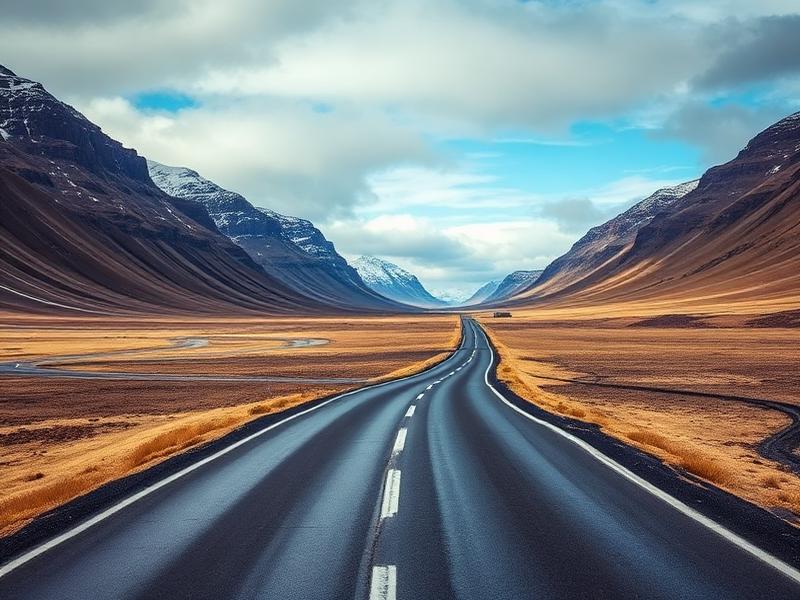
Iceland · Ring Road (Route 1)
The Ring Road is Iceland's classic full loop — about 1,330 km of paved highway that connects almost every well-known region of the country. Done in the right season, with the right pacing, it's one of the great drives in Europe. This guide walks through the practical decisions.
Some links in this guide may lead to partner sites. TravelDealCenter does not process bookings. Affiliate Disclosure
Intro
Last updated ·
Route 1 — the Ring Road or Þjóðvegur 1 — is a paved highway that loops the country, connecting the South Coast, glacier lagoon, East Fjords, Lake Mývatn, Akureyri and West Iceland back to Reykjavík. It is roughly 1,330 km if you drove it without stopping, which nobody does. Realistic Ring Road trips cover 1,800–2,200 km once viewpoints, waterfalls and short detours are added.
Critically, Route 1 is not the only road in Iceland. It avoids the highland F-roads and most of the Westfjords. Plan it as a circle of the perimeter, not "all of Iceland".
Days
Route
Start / End
Most loops start and end here, or at Keflavík (KEF). Pick up the rental car and spend Night 0 in the city.
~190 km
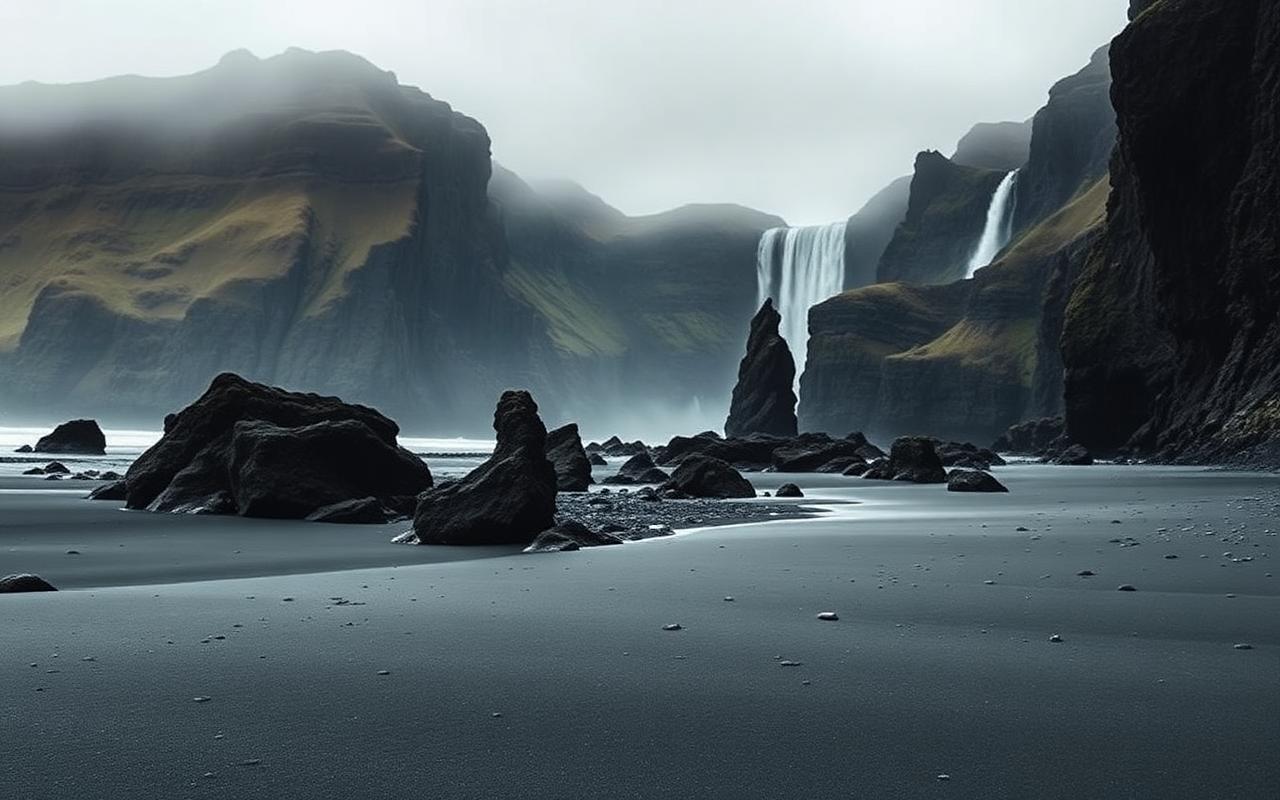
Waterfalls, Reynisfjara black beach and Vík. A natural Night 1 stop counter-clockwise.
~460 km
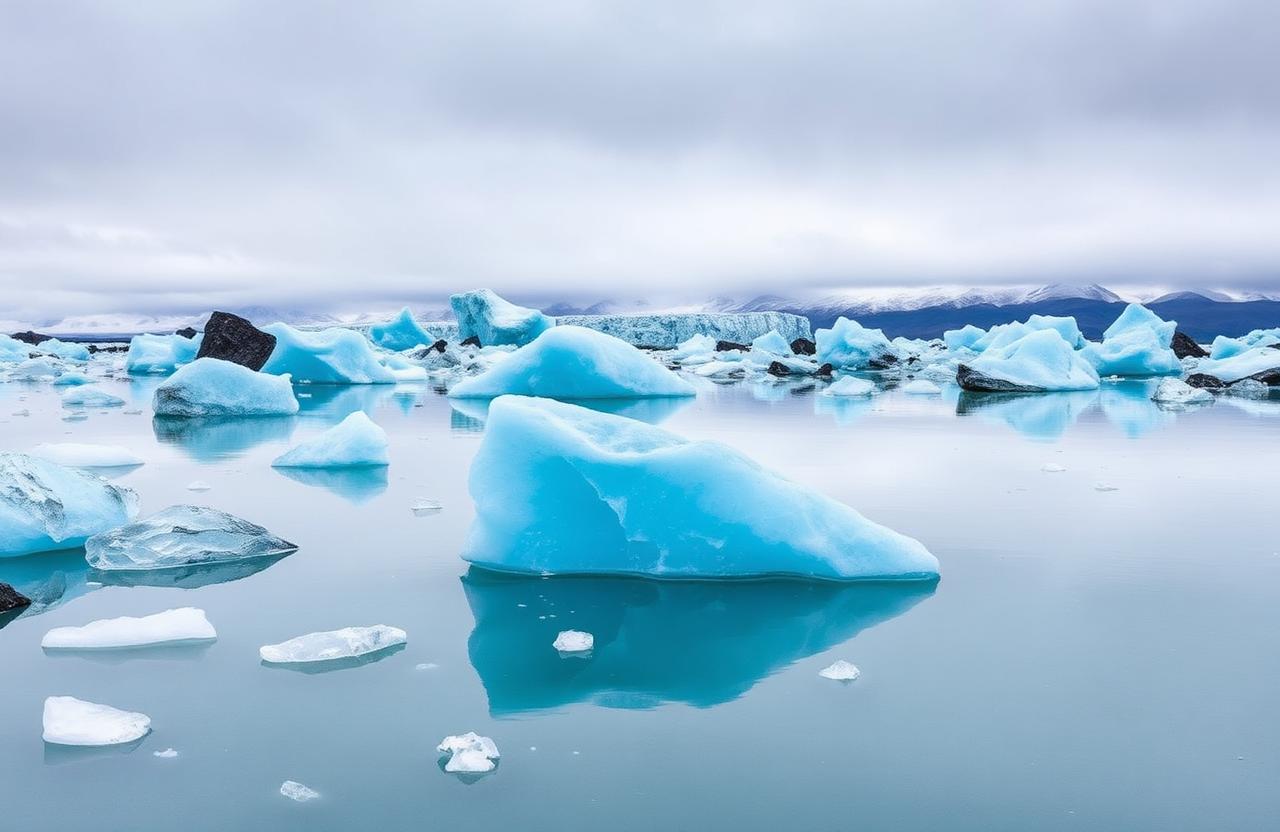
Glacier lagoon and Diamond Beach. Höfn is the gateway to the East. Plan Night 2 here.
~620 km
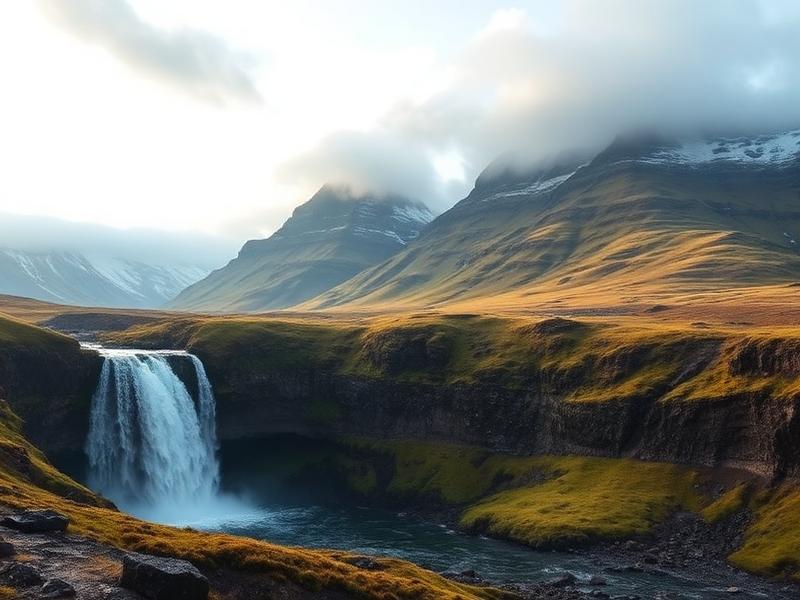
Quiet fjord roads and small fishing villages (Djúpivogur, Seyðisfjörður). Drive slowly — distances feel longer than they look.
~870 km
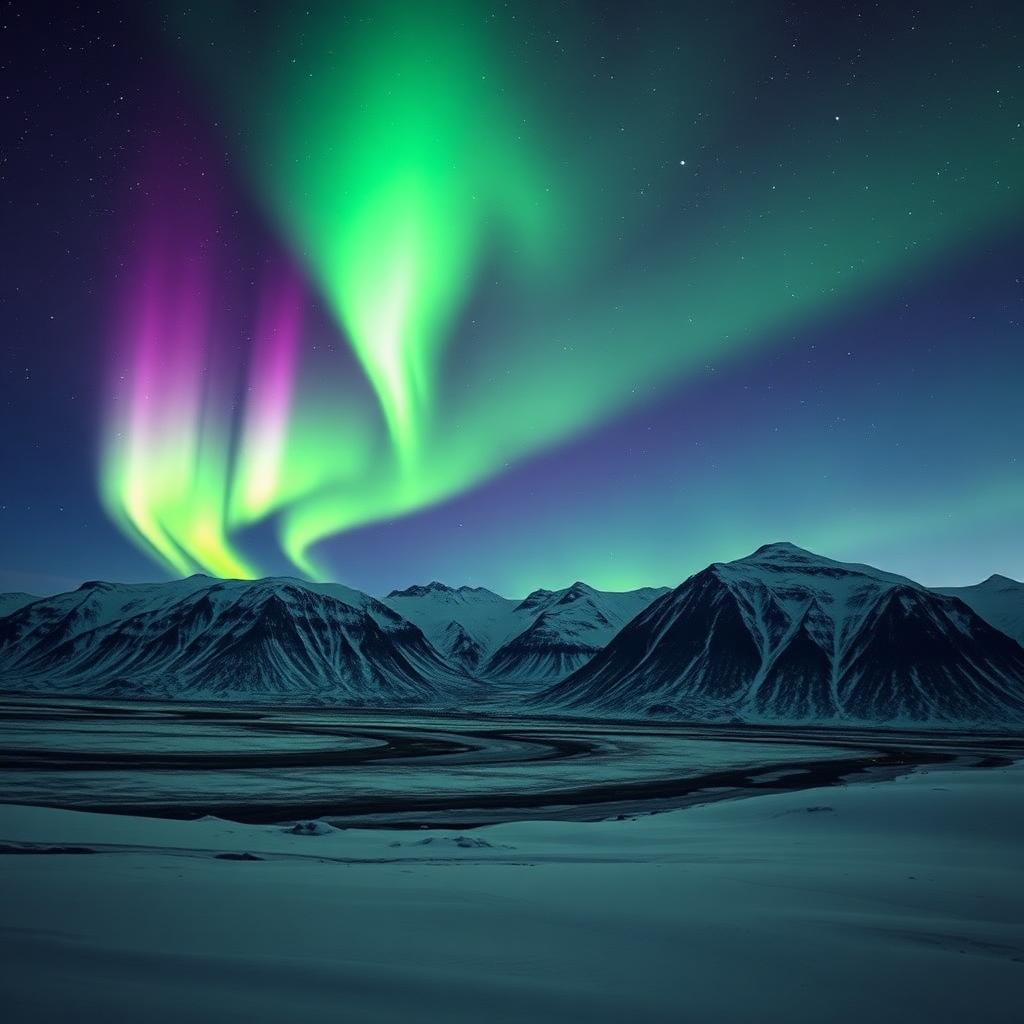
Geothermal area near the 'capital of the north'. Two nights here is comfortable — Mývatn nature baths, Goðafoss, whale watching from Húsavík.
Detour
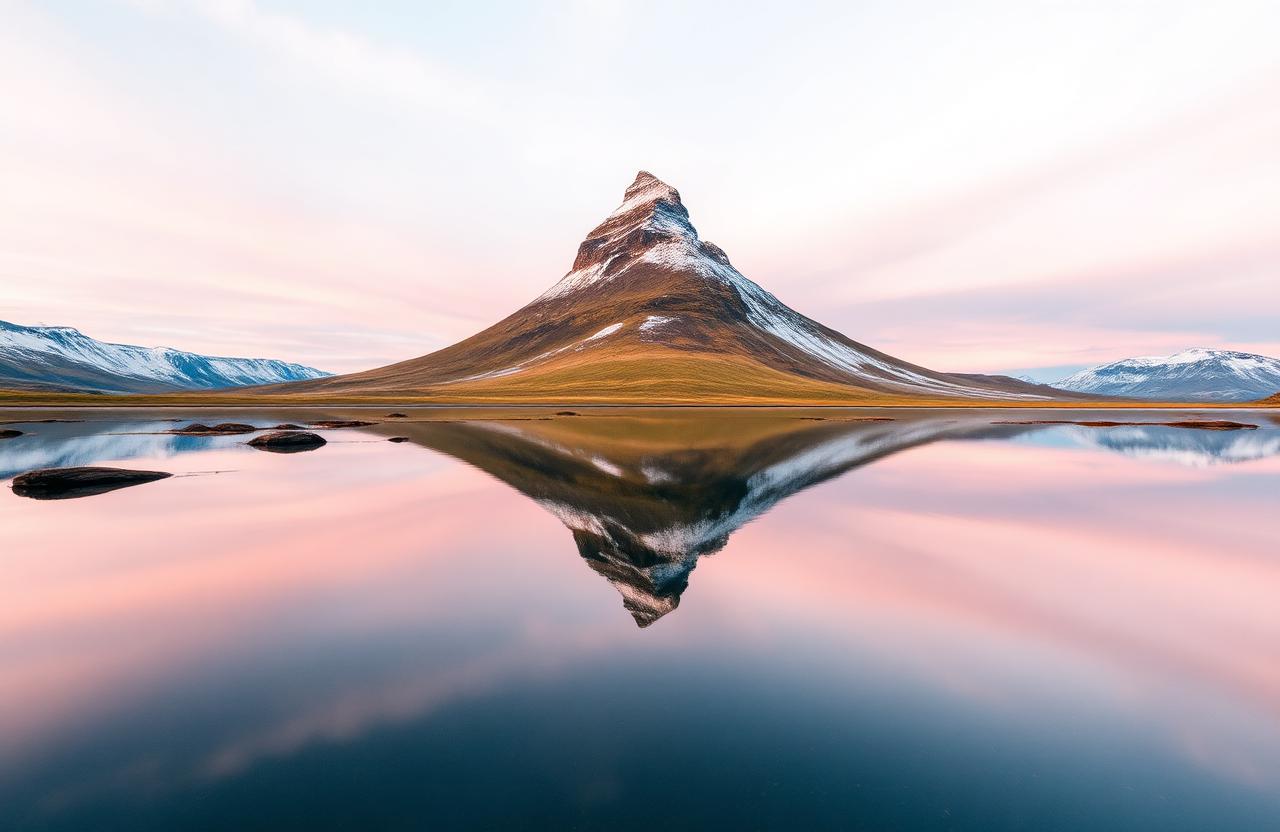
A peninsula often called 'Iceland in miniature'. Adds 1–2 days on the return leg toward Reykjavík.
Direction
Both directions work, and locals genuinely disagree about which is better. Counter-clockwise (South Coast first) is the popular choice — it front-loads the most famous landscapes and lets you settle into the rhythm before the longer driving days through the East. Clockwise (West and North first) is usually quieter, and it saves the South Coast — typically the busiest section — for the end of the trip when you're more used to Icelandic distances.
The practical answer: look at the weather forecast the morning you leave Reykjavík. Start whichever direction has the better window — Route 1 is symmetric enough that it doesn't really matter.
Season
Car
Most of Route 1 is paved and a standard 2WD is usually adequate in normal summer conditions, though a 4x4 adds margin for wind, weather or unsealed detours. In winter, a 4x4 with studded tyres gives a much wider safety margin. Always check insurance, deposit, mileage, gravel / sand / ash protection, second-driver fees, vehicle suitability for your route and season, and pickup details on the partner site before booking, and confirm current road conditions on road.is. One-way drop-off (KEF → Akureyri or vice versa) can cut driving days but typically costs extra — worth it for a 5–6 day "half ring" plan.
Useful starting points
Partner links may appear in this section.
Stays
Useful starting points
Partner links may appear in this section.
Safety
The single biggest cause of trouble on the Ring Road is treating Icelandic weather like European weather. A clear morning in Vík can become a closed road by lunchtime. Build in a buffer, and never plan a day that depends on perfect conditions.
FAQ
Best next step
Useful starting points
Partner links may appear in this section.
Continue on the Iceland Hub or read the South Coast guide.
Official Iceland resources · Non-affiliate
These official resource links are included for safety and planning. They are not paid partner links.
Official Iceland travel information — destination inspiration, things to do, accommodation information, and general travel guidance.
Visit official siteOfficial safe-travel information for Iceland. Useful for travel conditions, safety guidance, and preparation before outdoor or road-trip travel.
Check SafeTravelRoad condition information for Iceland (Vegagerðin / Umferðin). Useful before driving — especially in winter, high winds, snow, or changing conditions.
Check road conditionsOfficial Icelandic weather forecasts (Veðurstofa Íslands). Useful before driving, outdoor activities, or winter travel.
Check weatherThese are official, non-affiliate links — provided for traveler safety and planning. Always check the most recent information on the official site before you travel.
TravelDealCenter is an independent affiliate travel hub. We do not process bookings, and we do not display live prices. Always verify total cost, taxes, fees, cancellation terms, and conditions on the partner or official site before booking.